
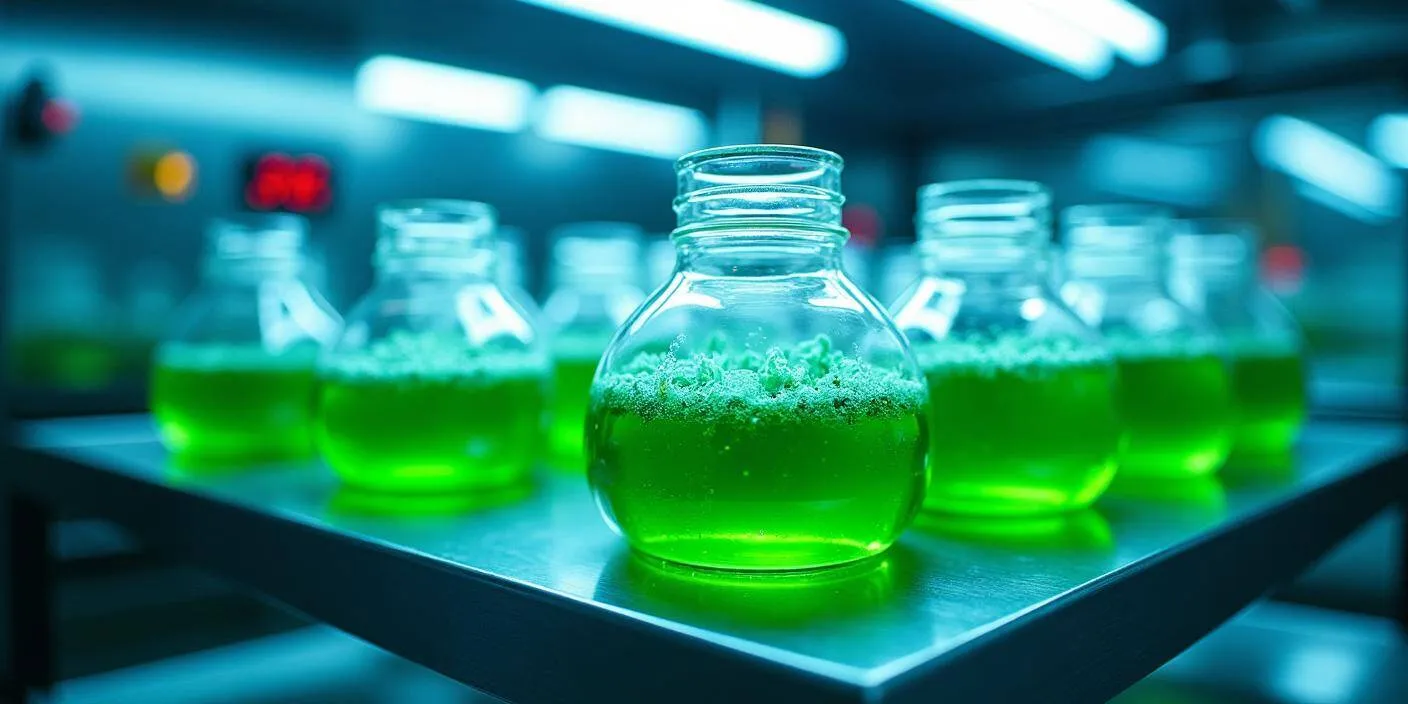
Applications · Algae and microalgae
Algae growth chambers
Temperature, light, CO2 and shaking under control to grow algae, microalgae and cyanobacteria with reproducible results, from strain maintenance to toxicity testing and pilot-scale production.
What an algae culture needs
Algae react within hours to any change in light or temperature. A growth chamber keeps conditions stable and even across the whole volume, so that results can be repeated and compared.
That is why biotechnology, ecotoxicology and aquaculture labs use dedicated chambers that combine climate control with dimmable LED light, CO2 supply and shaking. They make it possible to keep a strain collection for years, repeat a standard test or scale up a culture without changing conditions.
Temperature
Usually 15 to 30 °C depending on the species. Cold-water or polar strains need to go below +10 °C.
Light
Photosynthetic spectrum (400-700 nm), programmable photoperiod and typical intensities of 50-200 µmol/m²/s in closed cultures.
CO2
CO2 boosts growth and helps control the pH of the medium. It is measured with an NDIR sensor and delivered to the culture by bubbling.
Shaking
Spreads nutrients and light evenly and keeps cells from settling. Built-in orbital or reciprocating shakers do the job.
Typical conditions by application
| Application | Temperature | Light | Other |
|---|---|---|---|
| Strain maintenance and lab culture | 15-30 °C, depending on the species | 50-200 µmol/m²/s, with photoperiod | Gentle shaking |
| Algal growth inhibition test (OECD 201) | 21-24 °C, ±2 °C | Continuous, 60-120 µmol/m²/s | 72 h, with shaking |
| Biomass production and scale-up | Depending on the species | High intensity, custom spectrum | CO2 bubbling, large volume |
Indicative values. Every protocol and strain has its own requirements: we help you configure the chamber for yours.
Recommended chambers

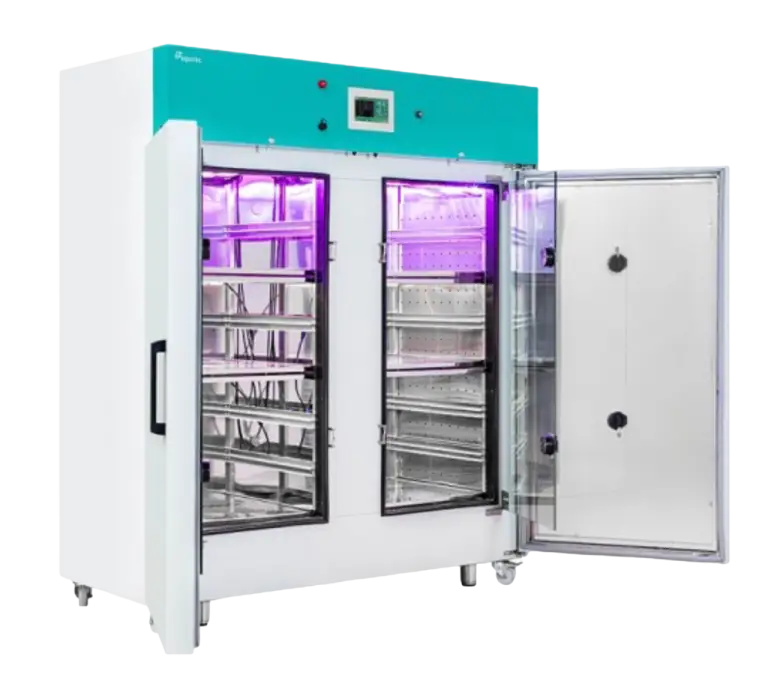
EcoLine
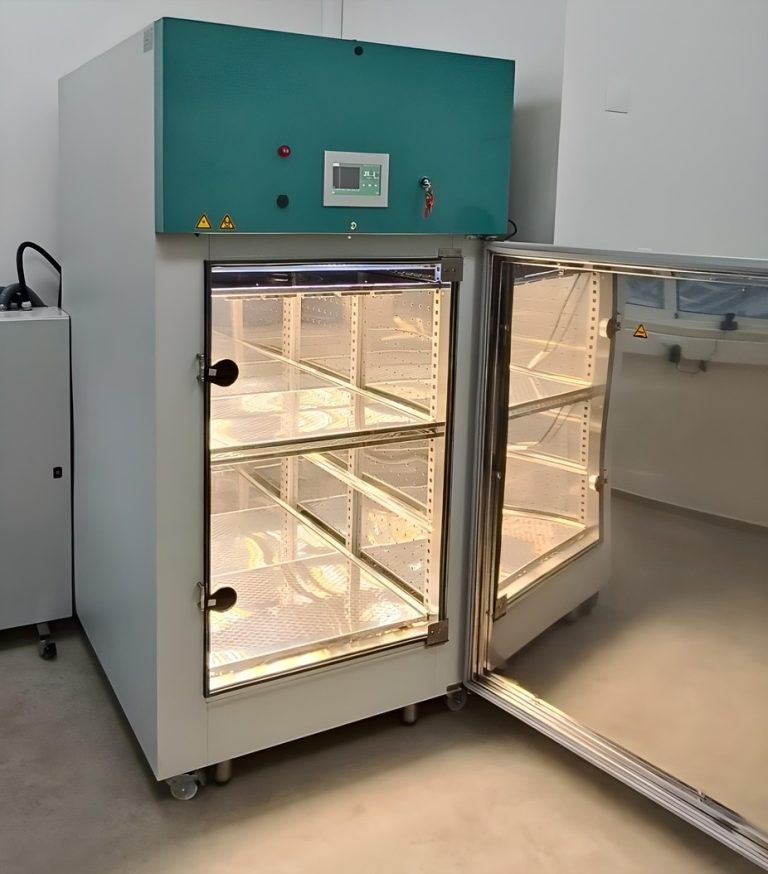
ERIS ALG INOX
- 5 sizes, from 150 to 1,345 L
- +10 to +55 °C; versions down to -20 °C
- LED from 120 µmol/m²/s, up to 450
- ALGAEFLOW, shakers and trays lit from below
Choose it if… you need a dedicated, compact algae chamber that is easy to maintain.
ProLine
EGCS ALG
- 18 volumes, from 190 to 3,500 L
- +4 to +60 °C; options from -30 to +80 °C
- LED with up to 8 channels and 1,000 µmol/m²/s
- Algae pack: CO2 set point, ALGAEFLOW and shaking
Choose it if… you need more volume, extreme ranges or multi-channel spectrum studies.
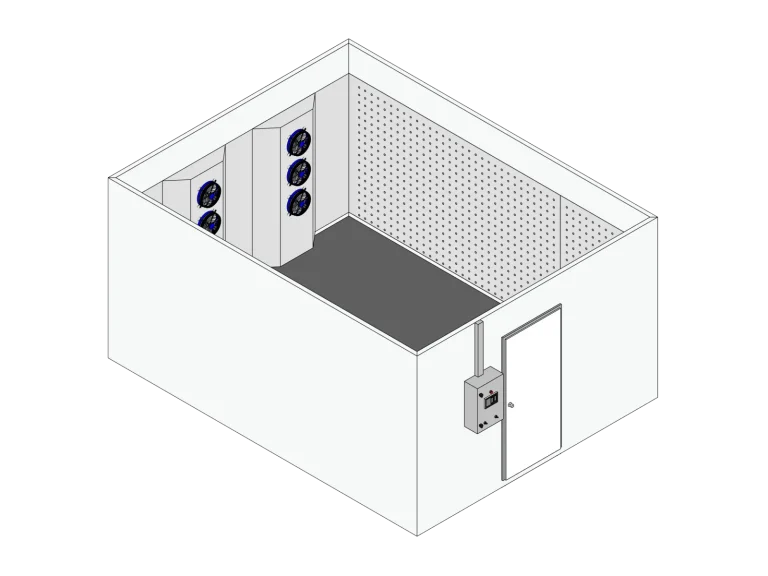
WalkInLine
EGC WK walk-in
- 6 to 50 m³, built to measure
- LED from 300 to 1,500 µmol/m²/s, up to 3,000
- CO2 and ALGAEFLOW for algae
- Container version (Deploy)
Choose it if… you work with photobioreactors or pilot-scale volumes.
Options designed for algae
ALGAEFLOW
Recirculates the chamber air, with its CO2 already stabilised, and bubbles it into flasks or tubes at an adjustable flow rate.
CO2 set-point control
NDIR sensor and regulation from the main controller.
Built-in shakers
Orbital or reciprocating, with constant speed and program resume after a door opening or power cut.
Custom spectra
White, blue, red and UV-A with independent control; 3L LED version in red, blue and neutral white.
Transparent trays
Let light through from below, for plates and culture flasks.
Stainless steel interior
AISI 304 with rounded corners and drain, easy to clean between cultures.
How to choose your algae chamber
- Culture format. Count flasks, tubes or photobioreactors and check they fit next to the shaker.
- Light. For spectrum studies, the multi-channel version; for strain maintenance the standard LED is usually enough.
- CO2. If the culture needs it, combine set-point control with ALGAEFLOW.
- Temperature and scale. Cold strains: a version below +10 °C. Pilot scale: a walk-in room.
Frequently asked questions
What temperature and light do microalgae need?
It depends on the species, but most are grown between 15 and 30 °C, with light in the photosynthetic range (400-700 nm) at 50 to 200 µmol/m²/s in closed cultures. ERIS ALG chambers work from +10 to +55 °C as standard and can go down to -20 °C.
Are they suitable for the OECD 201 or ISO 8692 algal toxicity test?
Yes. The OECD 201 guideline calls for 21-24 °C with a maximum variation of ±2 °C, continuous light of 60-120 µmol/m²/s and a 72-hour test with shaking. The chambers hold these conditions with data logging. Validating the test also depends on each laboratory’s procedures.
Can CO2 be controlled?
Yes. Set-point control measures the concentration with an NDIR sensor and regulates it from the controller. With ALGAEFLOW, that CO2-enriched air is bubbled directly into flasks or tubes.
What is the difference between ERIS ALG INOX and EGCS ALG?
ERIS ALG INOX is the dedicated, compact algae chamber, in 5 sizes up to 1,345 L. EGCS ALG is the high-end range: 18 volumes up to 3,500 L, ranges from -30 to +80 °C and LED with up to 8 channels and 1,000 µmol/m²/s.
Can I also grow cyanobacteria or other aquatic organisms?
Yes. The same chambers are used for cyanobacteria, Daphnia, aquaculture and other tests with aquatic organisms that need controlled temperature and photoperiod.
Technical advice
Let’s talk about your culture
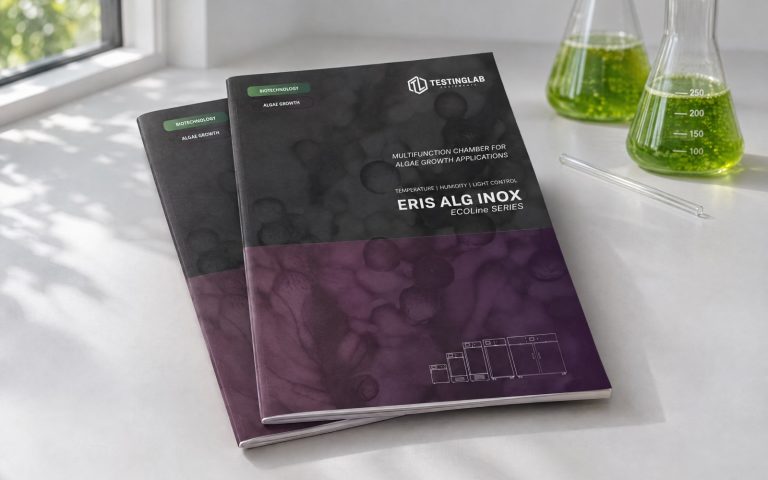
Tell us which species you grow, in what format and under which conditions. We will recommend the right configuration and send you the catalogue and a quote.
- Model and option recommendation
- Full series catalogue
- Quote tailored to your protocol